Smart Budgeting Tips for City Living

City living can be exciting, full of opportunities, and convenient in many ways. But it can also be expensive. Rent, transportation, groceries, utilities, phone bills, insurance, subscriptions, food delivery, and entertainment can quickly take over your monthly income if you are not paying attention.

Budgeting is not about stopping yourself from enjoying life. It is about making sure your money is going where it matters most. When you have a plan, you can still enjoy your lifestyle while avoiding unnecessary financial stress.

The first step is tracking your spending. Many people know their rent or major bills, but they do not realize how much they spend on small daily purchases. A few coffees, quick lunches, ride shares, online orders, and subscriptions can add up fast. Looking at your spending for one month can help you understand your habits clearly.

Once you know where your money is going, divide your expenses into needs and wants. Needs include housing, utilities, groceries, transportation, insurance, and debt payments. Wants include dining out, shopping, entertainment, extra subscriptions, and non-essential purchases. You do not have to remove every want, but you should make sure they do not take over your budget.

Meal planning can make a big difference. Buying groceries with a list, cooking at home more often, and reducing food delivery can help lower monthly costs. You can still eat out, but making it a planned treat instead of a daily habit can save a lot over time.

Transportation is another area to review. In a city, you may have multiple options such as public transit, walking, biking, carpooling, ride share, or driving. Choosing the most cost-effective option for your routine can help reduce expenses. If you own a car, comparing auto insurance and reducing unnecessary trips may also help.

Subscriptions should be reviewed regularly. Streaming platforms, apps, memberships, software tools, and monthly services can quietly drain your account. Cancel anything you do not use often. Even small monthly savings can become meaningful over a year.

Saving should be part of your budget, even if you start small. Try setting aside money for emergencies, future goals, or unexpected bills. Automatic transfers can help because the money moves before you spend it.

If you want to lower your monthly expenses and make smarter financial choices, this is a good time to compare available options. You may find better deals, lower rates, or services that fit your budget more comfortably.

SPONSORED

Debt management is another important part of budgeting. If you have credit cards, loans, or other payments, make sure they are included in your monthly plan. Paying on time helps avoid late fees and protects your credit. If interest rates are high, it may be worth exploring better repayment options.

A simple emergency fund can give you peace of mind. Life does not always go as planned. A medical bill, car repair, job change, or home issue can create stress if you are not prepared. Even saving a small amount each week can help build a safety net.

Another helpful habit is waiting before making impulse purchases. If you see something you want, give yourself 24 hours before buying it. Many times, the excitement fades and you realize you do not really need it. This small pause can prevent unnecessary spending.
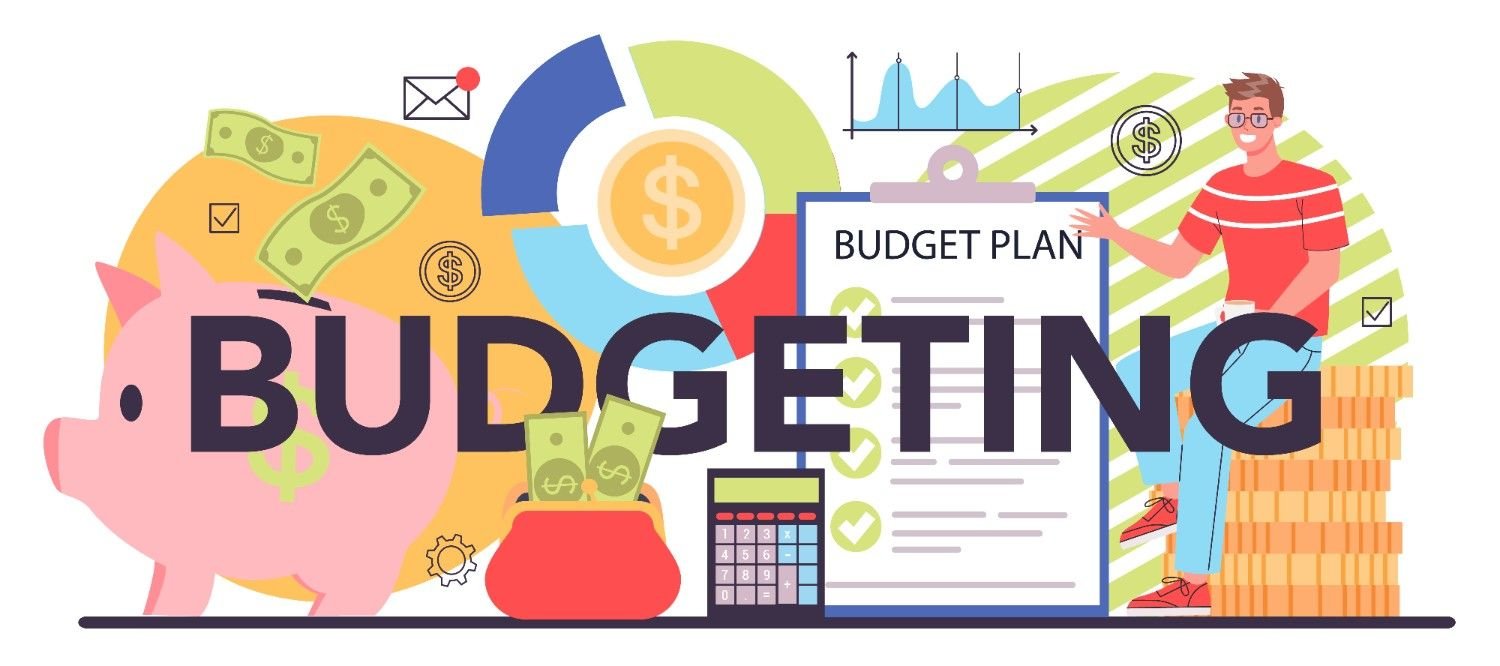
Budgeting also works better when your goals are clear. Maybe you want to pay off debt, move to a better apartment, buy a car, start a business, travel, or simply stop living paycheck to paycheck. A clear goal makes it easier to stay disciplined.

Do not expect your budget to be perfect every month. Some months will have extra expenses. What matters is adjusting and staying consistent. Budgeting is a habit, not a one-time task.

At MeetSavingsNYC.com, we value our visitors and aim to make money-saving ideas easier to understand. Our goal is to share practical tips that can help you manage everyday expenses, compare better options, and build stronger financial habits.